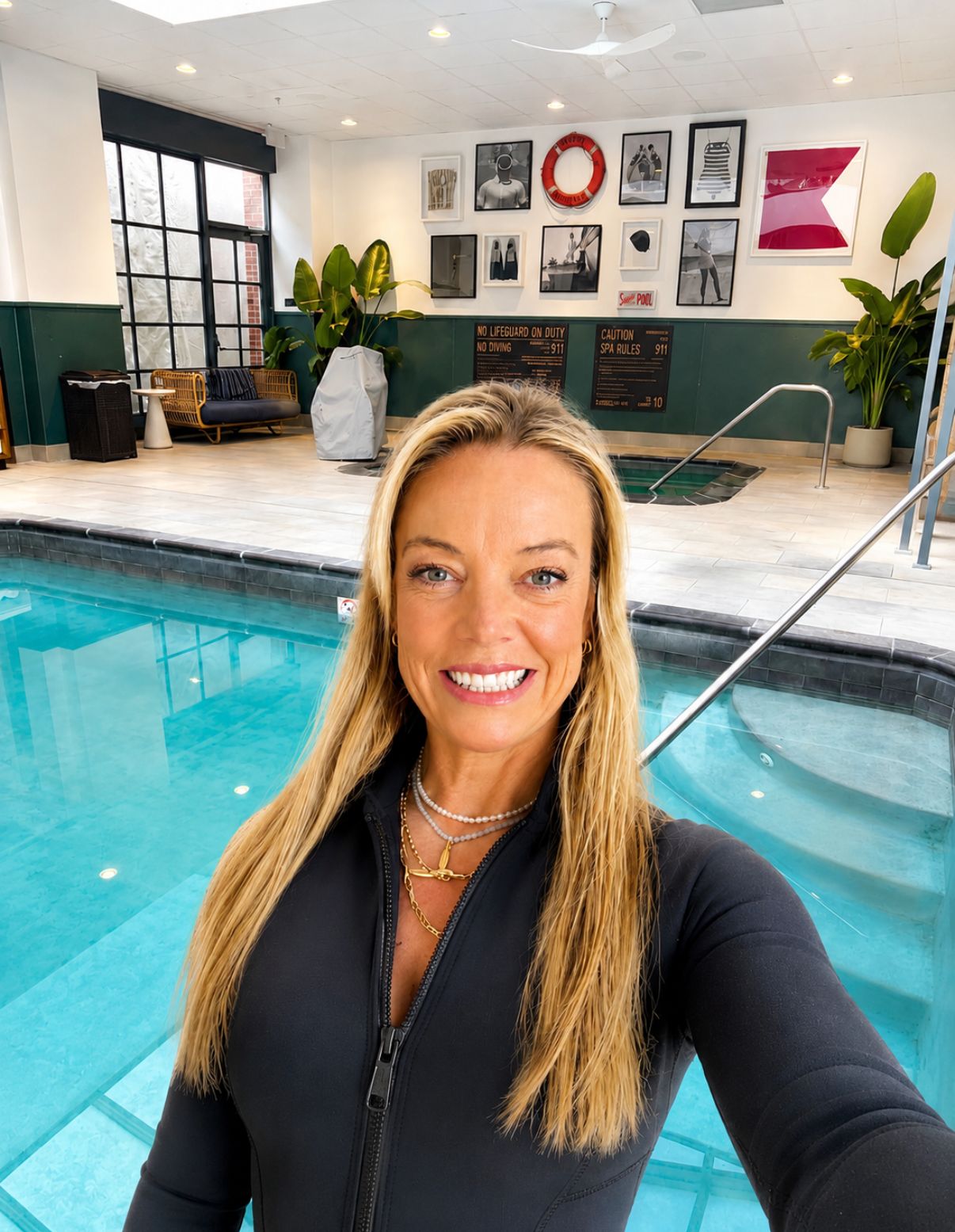
By Debby Havemann, Founder of Little Penguins Swim School
If you’re a parent in Greenwich, you already know how many activities compete for your child’s time — music, soccer, gymnastics, dance, enrichment classes. But there is one activity that rises above the rest, especially in the early years:
Swimming.
Not because it’s trendy.
Not because it’s convenient.
But because it is the only extracurricular that can save your child’s life.
And the earlier you start, the more confident, capable, and safe your child becomes.
For the 15-Second Reader: Why Swimming Comes First
- It’s the #1 safety skill for infants and young children
- Builds confidence, coordination, and emotional resilience
- Supports brain development during critical early years
- Creates calm, focus, and body awareness
- Early swimmers become stronger, safer swimmers for life
Let’s Talk About Your Child — and Their Pace
Every child approaches the water differently.
Maybe yours is the fearless jumper.
Maybe yours clings to you with every ounce of strength.
Maybe yours cries for the first few lessons.
All of it is normal.
When your child meets a new teacher, enters a new environment, and feels a new sensation, their reaction is simply communication — not a sign they “don’t like swimming.”
With consistency and trust, something beautiful happens:
Fear becomes confidence.
Confidence becomes skill.
Skill becomes safety.
Swimming is a journey, and your child deserves the time to grow into it.
Why Starting Early Makes Everything Easier
Babies and toddlers are naturally receptive to the water. When they begin early, they learn:
- Comfort with water on their face
- Breath control
- Balance and body awareness
- Calm reactions when submerged
These early experiences create the foundation for real swimming later on. By 2½ to 3½, many children who have been swimming consistently begin swimming independently — not because they’re advanced, but because they’ve been gently building confidence from the start.
Early exposure doesn’t just make them better swimmers.
It makes them safer humans.
A Gentle Truth About Floaties
Floaties are fun for playtime — but they don’t teach swimming.
They keep children vertical, which is the opposite of real swimming mechanics. When floaties come off, many children immediately sink because they’ve never learned how to float, breathe, or move independently.
Real water safety means your child can:
- Float on their back
- Swim to the wall
- Control their breath
- Move calmly without assistance
Floaties can’t teach that. Lessons can.
Swimming Builds the Whole Child
Parents in Greenwich value enrichment — and swimming quietly supports nearly every area of development:
- Coordination and balance
- Listening and focus
- Confidence and emotional regulation
- Cognitive development
- School readiness
Swimming activates both sides of the brain, strengthening the pathways that support learning, attention, and resilience.
Why I Teach — A Personal Story
When I was three years old, my cousin drowned at the same age. That loss shaped my life and my purpose. It is the reason I have spent more than 30 years teaching children to swim.
Every lesson I teach is guided by that memory — and by the belief that every child deserves to feel safe and confident in the water.
This is not just my career.
It is my mission.
When Is a Child Truly “Water Safe”?
A child is not water-safe because they can doggy paddle in a warm pool with goggles.
They are water-safe when they can:
- Swim freestyle and backstroke comfortably
- Float confidently
- Tread water
- Jump in and return to the wall
- Swim without goggles
- Handle cold, deep, or unexpected water
Until then, lessons matter — and consistency matters even more.
The Little Penguins Difference
At Little Penguins Swim School, we focus on:
- Confidence first
- Safety always
- Joy in every lesson
Whether your child is 6 months or 6 years, now is the perfect time to begin.
Start early. Stay consistent. Never give up.
Debby Havemann
http://www.LittlePenguinsSwimSchool.com
Instagram: @little_penguins_greenwich
203-451-0093