Winter storms in coastal Connecticut don’t always look dramatic at first. A few inches of snow, steady rain, or gusty winds can seem manageable—until the damage starts to reveal itself. Winter storm damage in homes in our area often shows up quietly, hours or even days after a storm has passed, when moisture finds its way inside, or systems fail under pressure.
Homeowners face a unique combination of risks during winter. Coastal exposure, fluctuating temperatures, older housing stock, and dense residential neighborhoods all contribute to storm-related issues that go beyond fallen branches or icy driveways. Understanding how winter storms affect homes in this area—and how to respond when they do—can help limit damage and avoid longer-term problems.
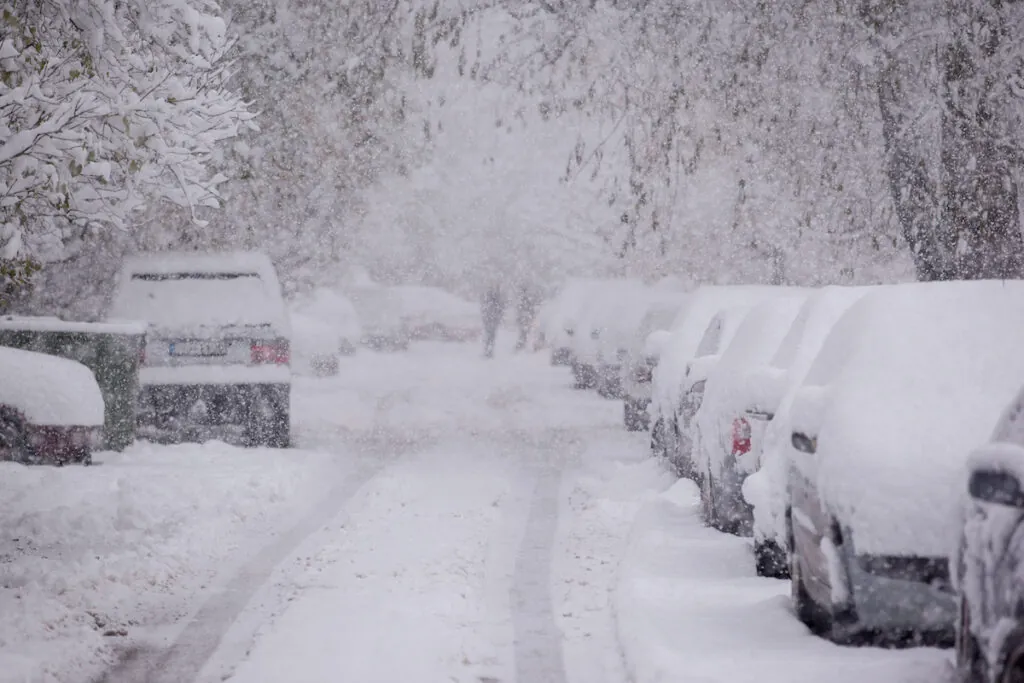
Why Winter Storm Damage Is Common in Greenwich and Stamford
Our area experiences winter conditions that differ from inland towns. Storms here often bring mixed precipitation, high winds, and rapid temperature swings rather than steady snowfall alone.
Several local factors contribute to winter storm damage in homes:
- Coastal wind exposure that stresses roofs and siding
- Heavy rain combined with snowmelt
- Older homes with aging roofs and flashing
- Multi-family buildings and shared drainage systems
- Power outages affecting heating and sump pumps
For general winter storm preparedness and safety guidance, Ready.gov provides seasonal resources for homeowners.
These conditions create opportunities for water intrusion, structural strain, and cascading issues when systems fail.
How Winter Storm Damage Typically Develops
Winter storm damage doesn’t always happen at the height of the storm. In many cases, the most serious issues develop afterward.
As snow melts or rain continues, water follows gravity—and any weakness in the home’s exterior becomes an entry point. Wind-driven moisture can bypass shingles, flashing, and siding, settling into walls or ceilings where it may go unnoticed.
This delayed nature is why winter storm damage in homes in our area often surprises homeowners days after a storm, when stains, odors, or dampness begin to appear.
Common Types of Winter Storm Damage: Roof Leaks and Ice-Related Issues
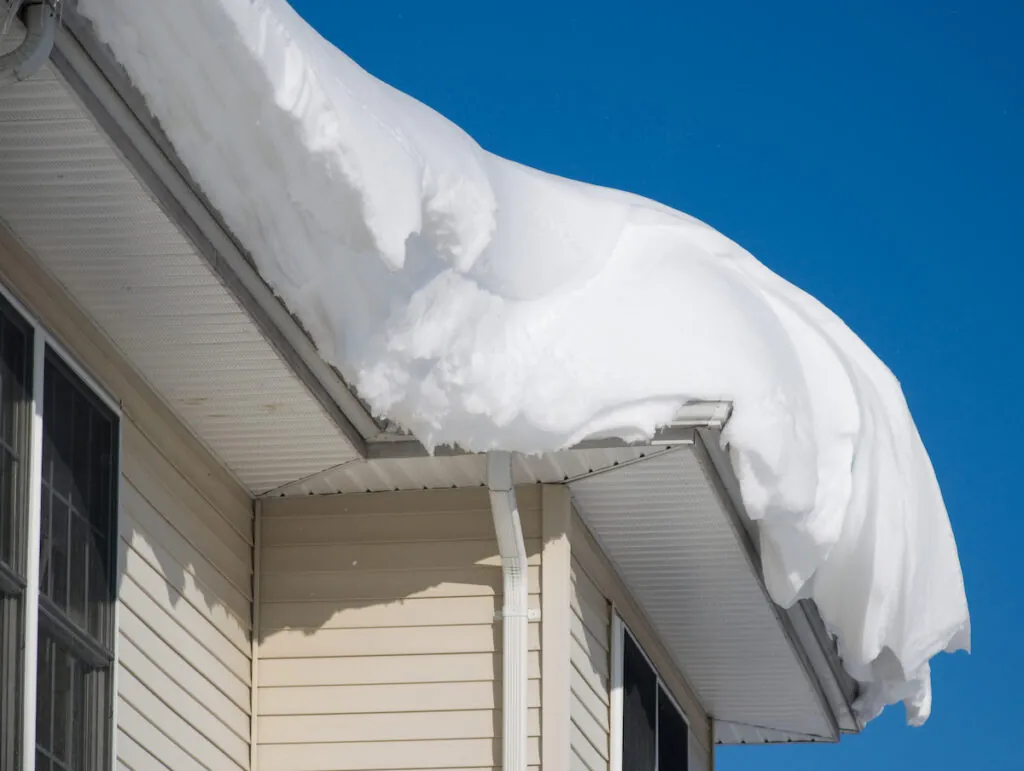
Roofs take the brunt of winter weather. Heavy snow loads, ice buildup, and wind-driven rain can all compromise roofing materials.
Common problems include:
- Loosened or missing shingles
- Cracked flashing around chimneys and vents
- Ice dams that force water under roofing layers
Once water enters the attic or ceiling, damage can spread quickly.
Wind-Driven Moisture Intrusion
Strong coastal winds can push rain or melting snow into places it wouldn’t normally reach. Even small gaps around windows, doors, or siding can allow moisture inside.
This type of intrusion is a frequent cause of winter storm damage in Greenwich and Stamford homes, especially in properties exposed to open water or elevated terrain.
Power Outages and Secondary Damage
Winter storms often bring power outages that last hours or days. While the outage itself may seem manageable, the secondary effects can be more serious.
Loss of power can lead to:
- Heating system shutdowns
- Frozen or burst pipes
- Inoperable sump pumps
- Spoiled food and damaged appliances
In multi-family buildings or condos, these issues can affect multiple units at once.
Basement and Lower-Level Water Intrusion
Melting snow and heavy rain can overwhelm drainage systems, especially in older neighborhoods. Basements and lower levels are particularly vulnerable when groundwater levels rise.
FEMA offers guidance on flood and water intrusion risks during storms and snowmelt.
Even small amounts of water can cause:
- Damage to flooring and drywall
- Mold-friendly moisture conditions
-
Electrical safety concerns
Prevention Tips Before and During Winter Storms
While storms can’t be avoided, preparation can significantly reduce damage.
Before Winter Weather Arrives
- Inspect roofs and flashing annually
- Clear gutters and downspouts
- Seal gaps around windows and doors
- Test sump pumps and backup systems
- Trim branches near the home
These steps help reduce the likelihood of winter storm damage in homes before storms hit.
During Storm Conditions
- Keep indoor temperatures consistent
- Monitor known leak-prone areas
- Avoid overloading roofs with snow if safe to remove
- Stay alert for power loss and heating issues
Small observations during a storm can prevent larger problems later.
Local Considerations for Properties
Our area has a wide mix of housing types, from historic single-family homes to high-rise condominiums. Each comes with its own winter vulnerabilities.
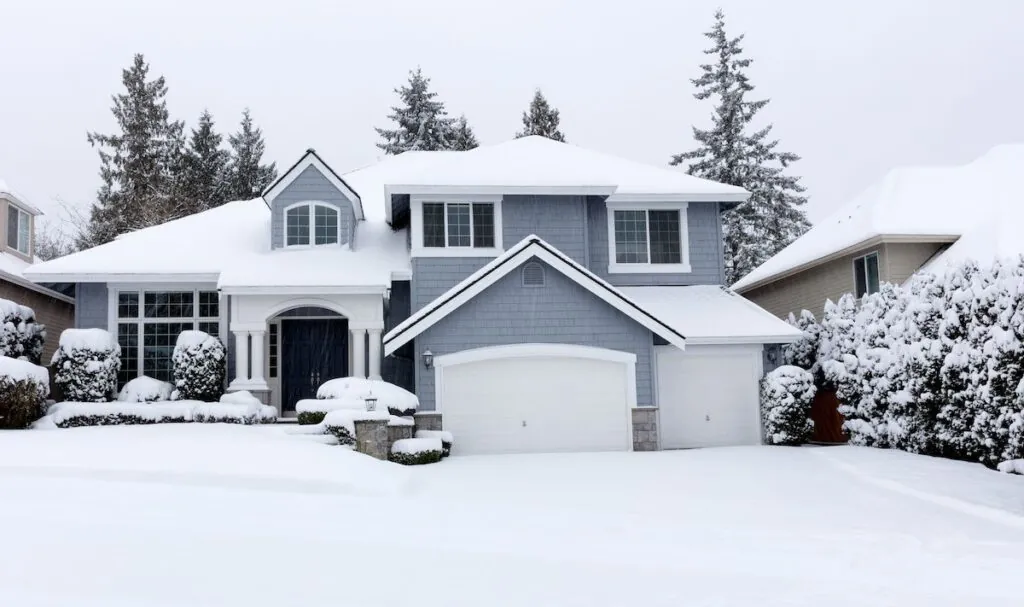
What To Do After a Winter Storm
Once a storm passes, prompt assessment helps prevent minor issues from becoming major repairs.
Step 1: Inspect Safely
Check for visible signs of damage:
- Roof shingles or debris
- Water stains on ceilings or walls
- Damp odors in basements or closets
Avoid climbing onto roofs or icy surfaces.
Step 2: Address Water Quickly
If water intrusion is discovered, drying and containment are critical. Even small leaks can spread moisture into hidden areas.
Step 3: Document What You See
Take photos of visible damage and note when it was discovered. This documentation is helpful for insurance and repair planning.
Step 4: Monitor for Delayed Issues
Continue checking affected areas over the following days. Some signs of winter storm damage in homes in our area emerge gradually as materials dry or temperatures change.
Hidden Risks and Long-Term Costs If Damage Is Ignored
Winter storm damage isn’t always obvious or immediate. Left unaddressed, moisture can remain trapped inside building materials.
Potential long-term risks include:
- Mold growth behind walls or under flooring
- Warped wood and deteriorating insulation
- Ongoing indoor air quality concerns
- Higher repair costs months later
In coastal areas, salt-laden moisture can also accelerate material corrosion, increasing the impact of winter storm damage in homes in our area over time.
FAQs About Winter Storm Damage in Homes in our Area
Is winter storm damage always visible right away?
No. Many issues appear days later as snow melts or materials dry.
Can wind cause water damage even without broken windows?
Yes. Wind-driven rain can enter through very small exterior gaps.
Are condos and apartments at risk too?
Absolutely. Shared roofs, walls, and drainage systems can spread damage between units.
Does insurance usually cover winter storm damage?
Coverage varies by policy. Documentation and timely reporting matter.
How long should I monitor my home after a storm?
At least several days, especially during warming periods.
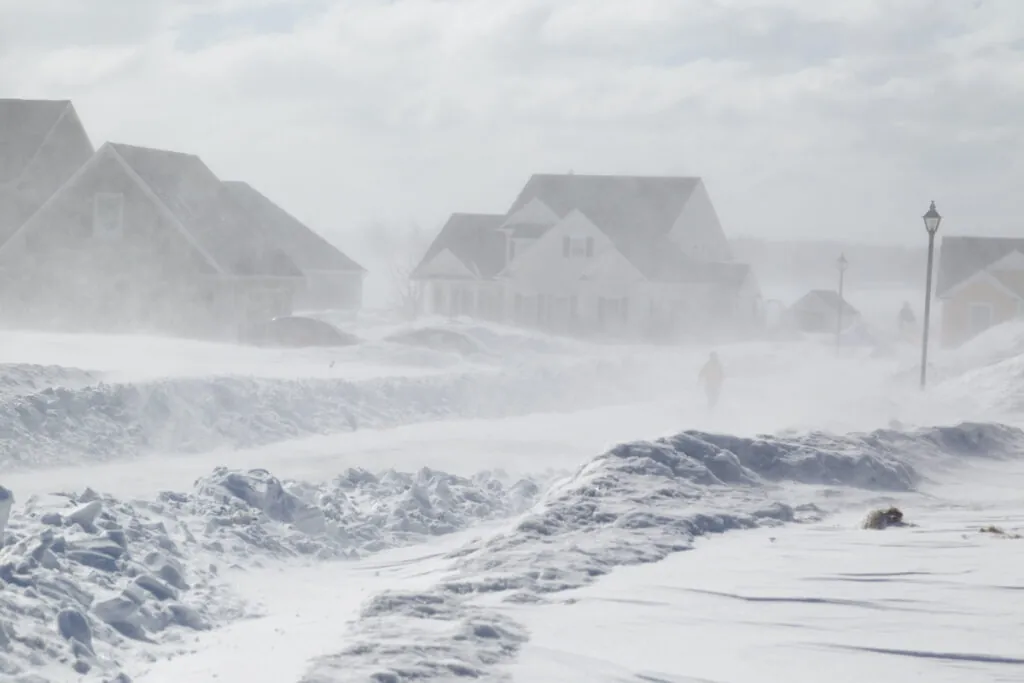
Your Local Restoration Partner
When winter storms affect homes, local experience matters. PuroClean of Greenwich & Stamford works with homeowners, property managers, and HOAs to address storm-related water and moisture damage common in this area.
Their familiarity with coastal conditions, multi-unit properties, and seasonal risks allows for a measured, practical response when winter weather causes disruption.

Winter Storm Damage Checklist
- Inspect roof and exterior after storms
- Check basements and lower levels for moisture
- Monitor ceilings and walls for staining
- Keep heat on during outages if possible
- Document damage promptly
Final Thoughts
Winter storms are part of life in coastal Connecticut, but significant damage doesn’t have to be. Preparation, awareness, and timely response go a long way toward protecting your home. By understanding how winter storm damage in homes develops—and knowing what to look for after storms—homeowners can navigate the season with greater confidence and fewer surprises.
Contact PuroClean of
If you’re looking for more storm preparedness information, click here for The Complete Guide to Burst Pipes for Homeowners.